Style: Classic
Origin: England
Region of Popularity: England and Europe
Known as the Royal or Throne Chair, this chair was traditionally used by kings or popes during important ceremonies. It is essentially a classic armchair richly decorated. The backrest and crest often feature symbols of the imperial family in the form of two wings, which have gradually become simpler over time. The legs are inspired by the Chippendale style, a subset of chair back designs influenced by Louis XIV furniture, characterized by symmetry, the use of gold color, and adherence to Ancient Roman style.
The overall style of this chair is Victorian. Victorian architecture and design emerged during Queen Victoria’s reign from 1837 to 1901 in Britain. The Victorian architectural era is a blend of various revival styles dating to the mid and late 19th century. The Victorian school refers to fine and decorative arts as well as architecture during Queen Victoria’s rule. Its hallmark is creating a richer visual impact than French styles, with large candelabras, chandeliers, and stained glass windows being distinctive features of this luxurious and unique style.
This era’s eclectic style combines select historical European influences alongside inspirations from the Middle East and Asia. Although new technologies fueled Victorian creativity, nostalgia was a key characteristic since it drew heavily from past works. The revival of classical and Greek styles continued after Queen Victoria’s coronation, but stylistic battles between different design directions persisted. Rich detailing and ornamentation were primary features, with beauty valued more than functionalism in fashion, architecture, and furniture.
Victorian furniture is distinguished by intricate carvings featuring natural motifs such as flowers, leaves, and curves. Chairs and tables from the period have straight shapes with curved lines beneath cushions, on legs, and backrests. They also feature raised or recessed decorations and ornamental borders. Upholstery uses luxurious, textured materials like velvet, and dark, rich, and opulent colors dominate. Different shades and patterns on light backgrounds are common, with fringed and decorated furniture coverings. Victorian furniture often includes large shelves and heavy, substantial legs. The art of the Victorian era was highly decorative, with the belief that larger physical size of artworks attracted more attention. The Victorian style, named after Queen Victoria, is among the most famous.
Although Victorian architecture originated in England, it spread worldwide—especially to Canada, Australia, New Zealand, and the United States—through English architects' migration, continuing until around 1830.
Victorian style is one of the most luxurious décor styles, favoring harmony and balance alongside beauty. Spaces designed in this style convey a romantic and contemplative atmosphere. Interior design uses earthy tones or deeper, darker shades such as burgundy, amber, emerald, and dark brown. Large rugs, floral-patterned wallpaper, and fabrics like velvet, chiffon, or satin have special importance.
The style’s main characteristic is orderliness and elaborate ornamentation, making it highly intricate and luxurious, standing in contrast to minimalism. In Victorian décor, more accessories mean better aesthetics.
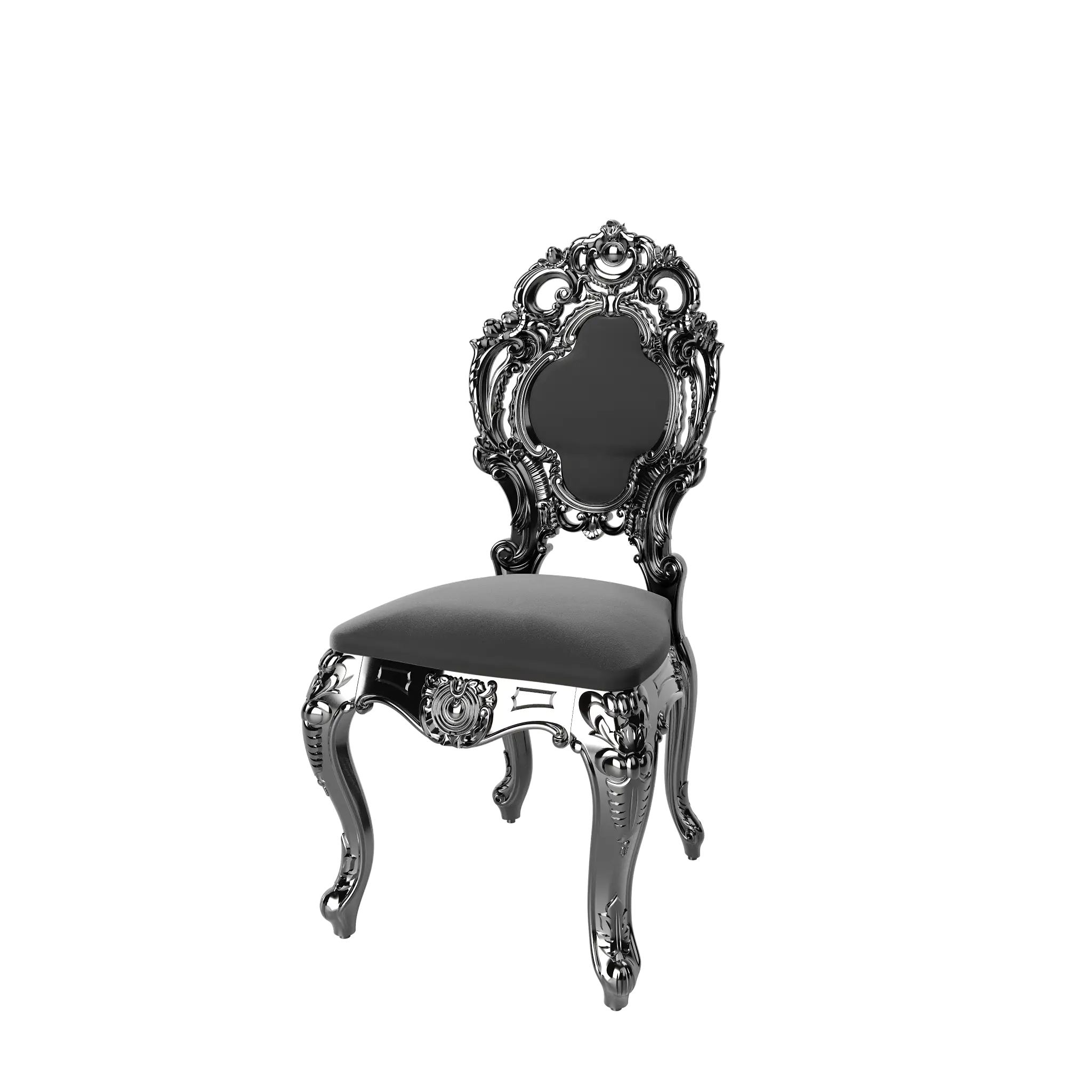
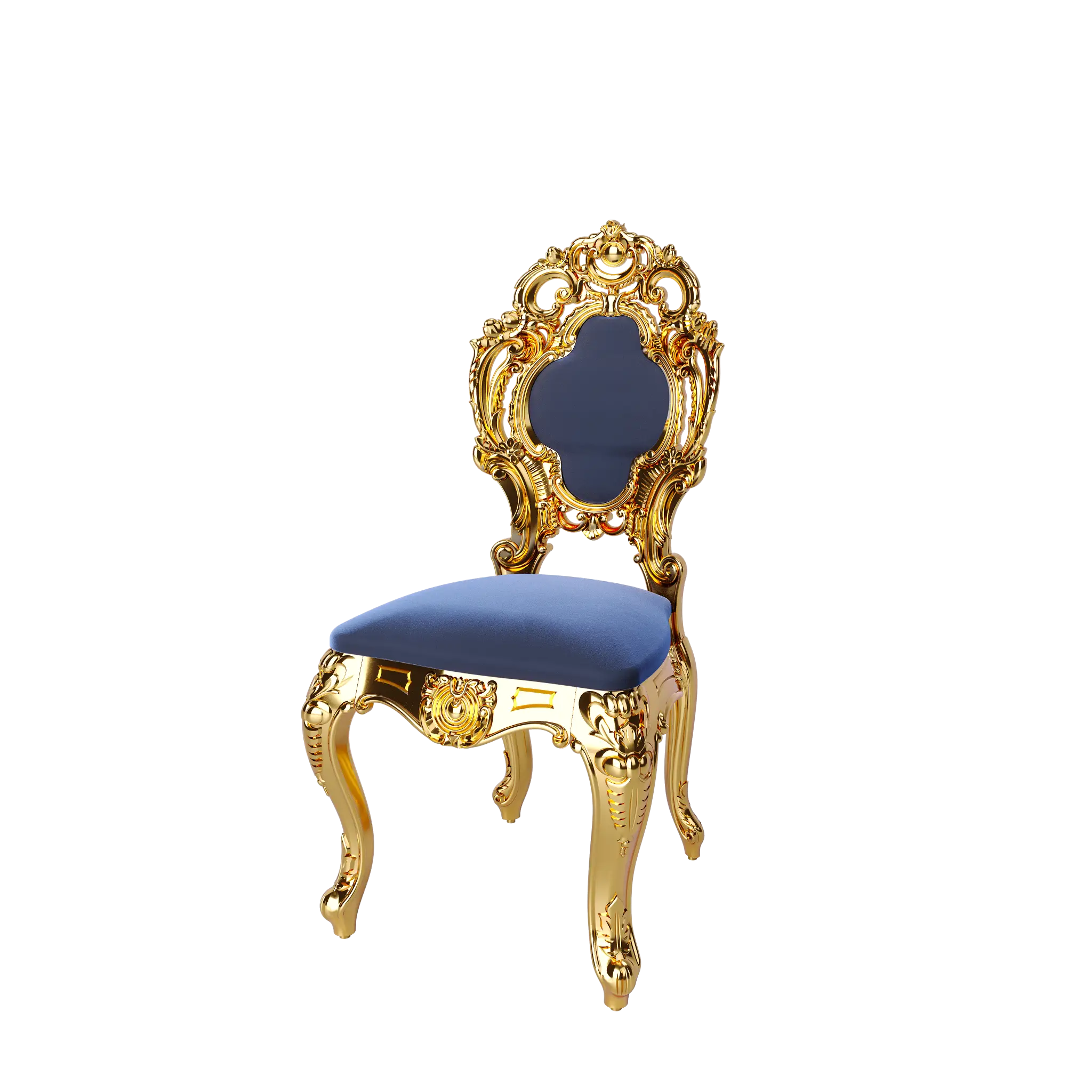
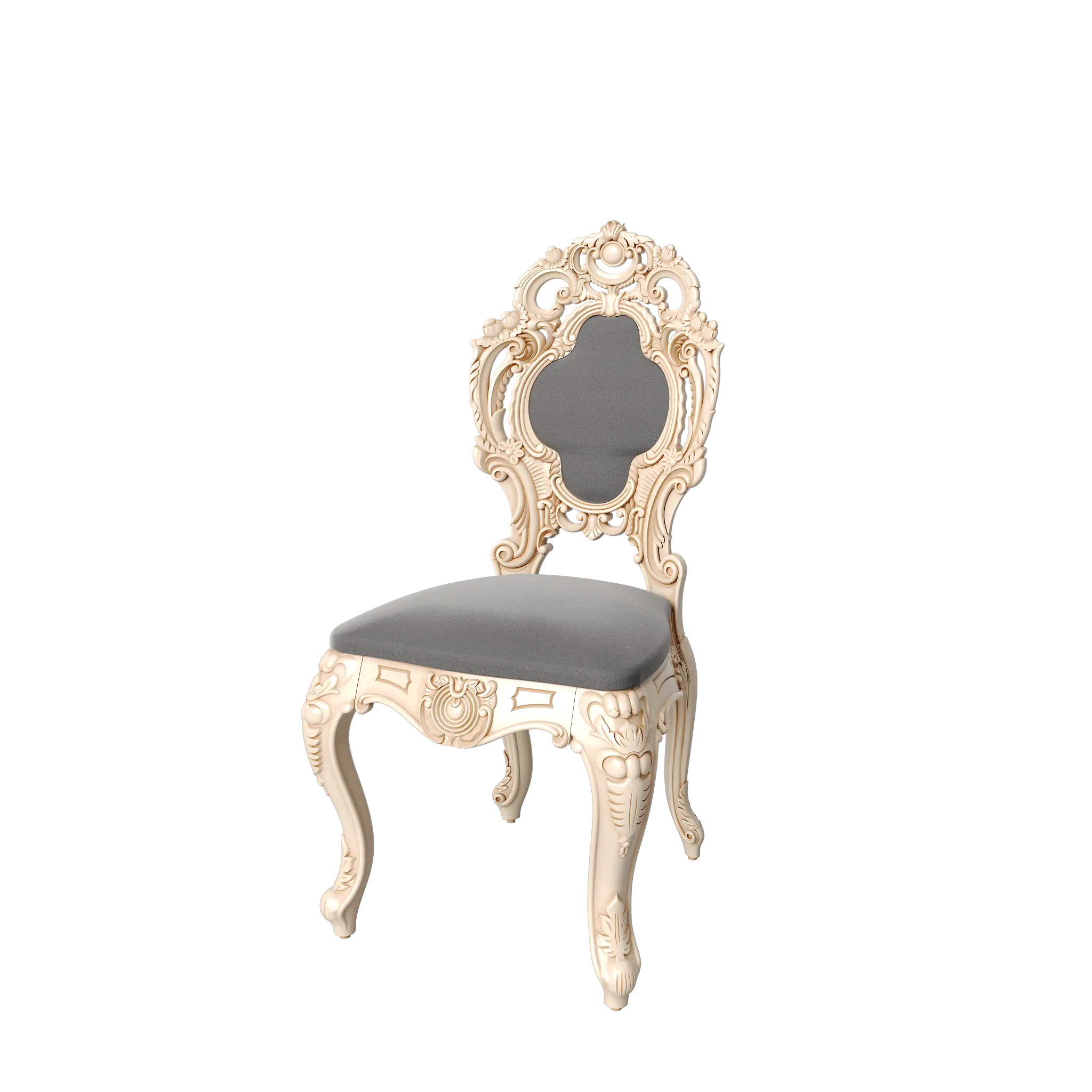
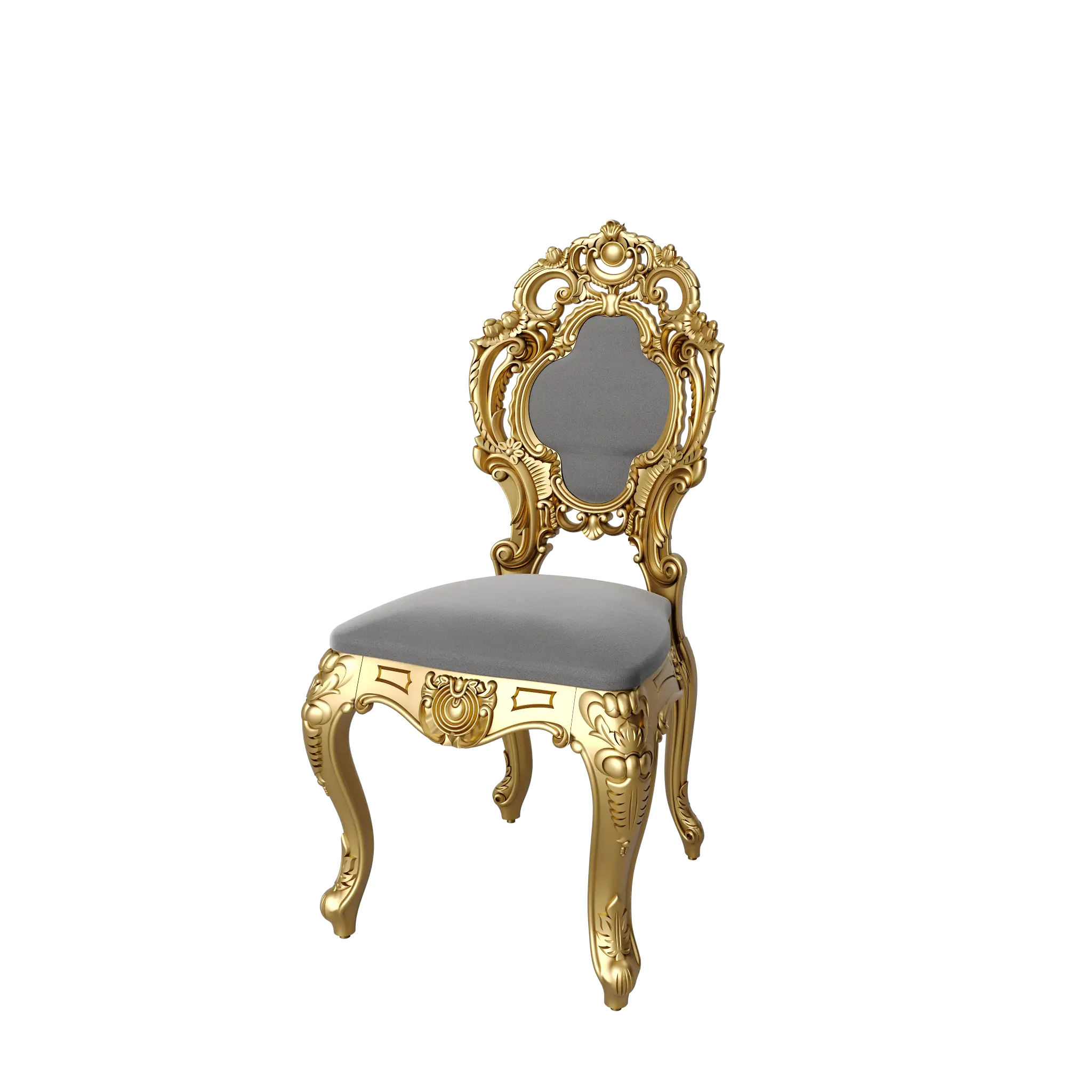
Shahkar Chair is an artistic design inspired by the above descriptions. Despite the change in material to molded polymer for faster production, precision, mass manufacturing, portability, and easy assembly, the product’s accessibility and usability have greatly improved. Simplifying the details and removing armrests has also expanded its practical applications.
Suggested Sets for Shahkar Chair:
The Shahkar chair, inspired by Victorian style with elaborate ornamentation, pairs well with the Sepid Table in Baroque style for its decorative richness and visual weight, or the Sepehr Table for its leg forms. These related products are listed below for reference.


 فارسی
فارسی
 العربية
 Русский